A small team built to make reforms land.
Delivery means implementation. Delivery Unit — the Office for Achieving Results — helped priority reforms reach people by building the horizontal links between ministries that usually work apart.
Not replacing ministries — connecting them.
Since late 2016 Uzbekistan has been going through large-scale reforms. The state needed not only to design reforms, but to deliver them well. That need led to an experimental team: Delivery Unit. Its job is to help priority tasks get done by removing obstacles — and by helping agencies plan together, agree decisions and share responsibility for one result.
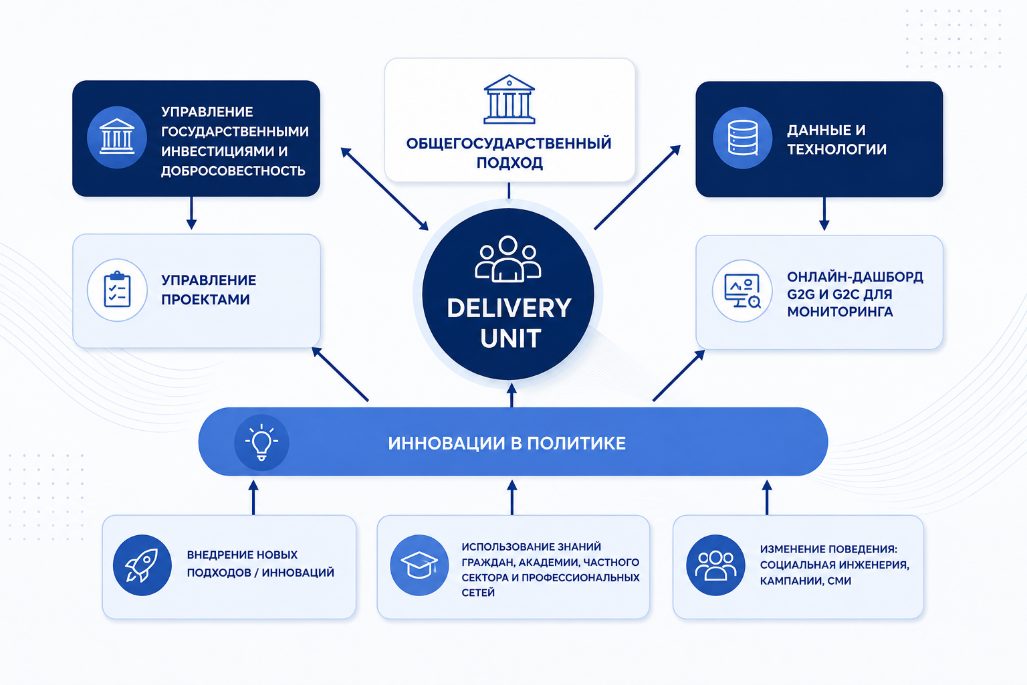
For three years a team of just seven people supported reforms in healthcare, drinking water, sanitation and school infrastructure, focused on the goals of the Uzbekistan–2030 Strategy.
We helped find systemic problems that cut across agencies, brought people together around solutions, coordinated delivery and supported pilots that later became state policy.
This content is based on the Delivery Unit activity report, published under the Regulation on Delivery Unit for openness, transparency and accountability.
One team, three roles — depending on the task.
Shaping programmes
In some areas we took part in designing state programmes and reforms — for example the 2025–2030 programme for cervical and breast cancer control.
Supporting implementation
In others we supported implementation: coordinating agencies, running pilots such as Soakaway sanitation and removing bottlenecks on the ground.
Correcting course with data
And elsewhere we monitored results and helped adjust course in time — using field data, the Geoportal and citizen reports.
Four principles behind every decision.
The model is aimed not at processes or reports, but at concrete results that improve people's lives.
Decisions based on data
No assumptions or subjective assessments — decisions rest on facts, analysis and the real situation.
Working as one team
Most tasks can't be solved by one ministry, so we unite agencies, regions, partners, experts and civil society around one goal.
People at the centre
Success is not the number of events, but whether people feel real change. Citizens' views are part of monitoring.
Always testing new solutions
We test new approaches in small pilots. If they work, they can be scaled up and adopted nationally.
Whole-of-Government
Different ministries and agencies work not separately, but as one team on shared tasks.
Innovation in public policy
A constant search for better ways to get results — through technology, modern management, data and experiments with new solutions.
A methodology built over three years.
Step by step, we developed our own way of delivering national priorities. Select a step to see what it means in practice.
Interagency coordination
We bring together ministries, regions and partners around one shared result, and agree who does what by when — so problems that sit between agencies stop falling through the gaps.
What three years taught us.
Sustainable reforms don't start with new regulations or digital platforms — they start with a different approach to governing.
Data lets us see real problems, set priorities and judge whether decisions are changing people's lives.
“Reforms become sustainable when decisions are based on facts, agencies work as one team, and the person stays at the centre of every decision.”
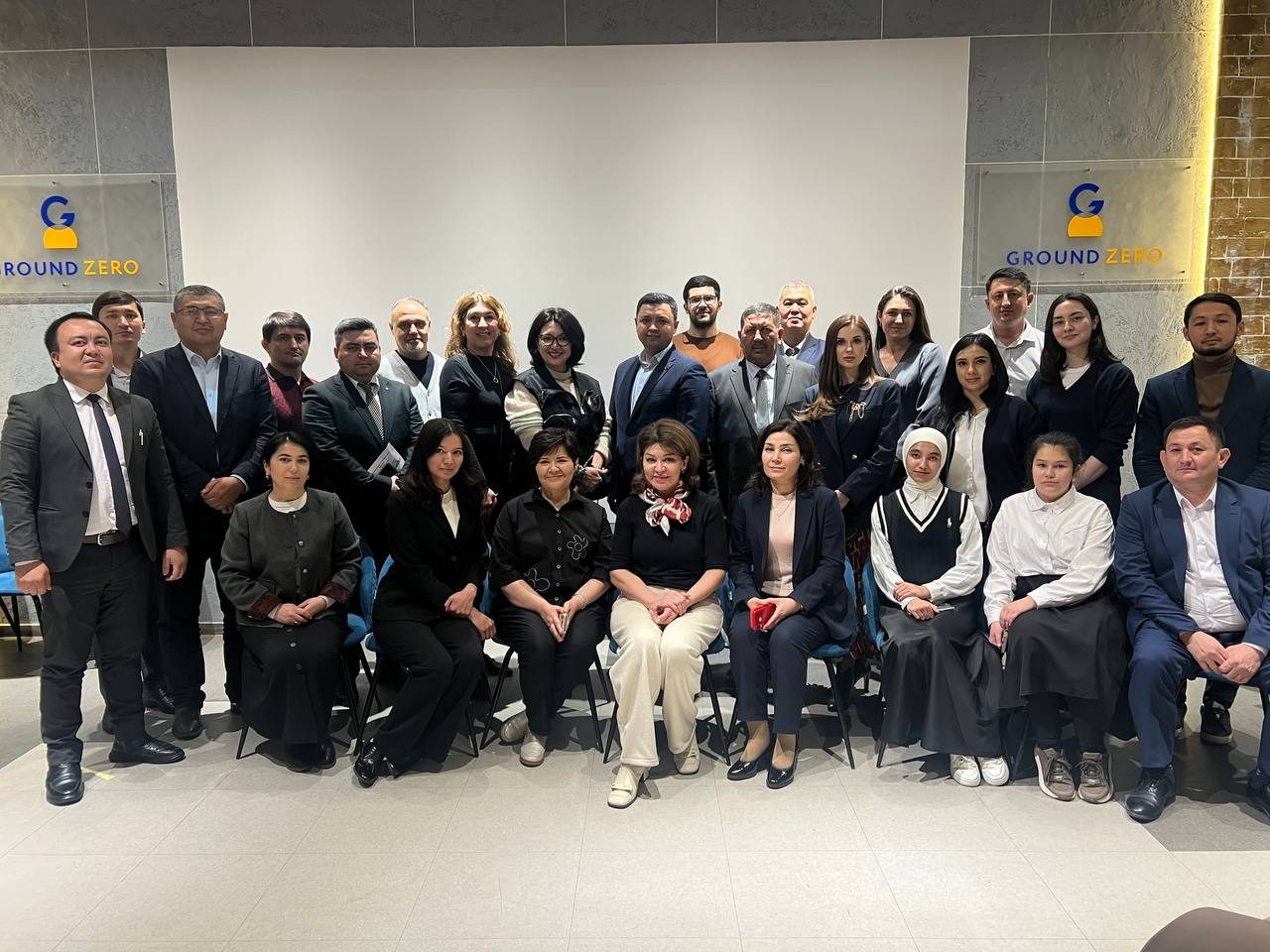
From Delivery Unit to the Zero Bureaucracy & Innovation Office.
In May 2026 Delivery Unit was transformed into the Zero Bureaucracy & Innovation Office, keeping its experience with data, monitoring and evaluation of state programmes.
The new stage focuses on cutting administrative barriers, developing digital tools and bringing innovative approaches to how public policy is designed and delivered.