Projects come and go. Laws and methodologies remain.
Many solutions that began as pilots became part of state programmes, regulations and permanent functions of government.
“On the National Data Management System”.
Building the Geoportal exposed problems with how agencies share, store and process data. The result was a draft law, agreed with all agencies, that treats data as a strategic state resource and a public good — and requires decisions to rest on quality, reliable data.
Common quality standards
Single standards for data quality, regular data-quality audits and maturity assessments of information systems.
Free exchange, ask once
Mandatory free data exchange between agencies and re-use of information instead of requesting the same data again and again.
Chief Data Officers
A Chief Data Officer role in state bodies and a centralised data store.
Data for planning
Data used for strategic planning, programme monitoring, programme-based budgeting and evaluating state bodies.
Open data & innovation
Open data that supports science and innovation.
Protection first
Strict compliance with personal-data protection and state-secrecy rules.
The idea took shape while working on the quality of administrative data. Kazakhstan's experience played a big role — with thanks to Zhandos Shaimardanov, head of Kazakhstan's Agency for Strategic Planning and Reforms, for a professional exchange of views.
Decisions about data, made in the national interest.
Alongside the law, a concept was prepared for a National Data Management Council — a standing interagency body for one state data policy. It brings together government, academia, the private sector and international experts to set common standards and priorities, so data decisions reflect national interests and long-term goals rather than individual agencies.
From pilot to policy.
Other initiatives developed or supported over three years. Select one to read more.
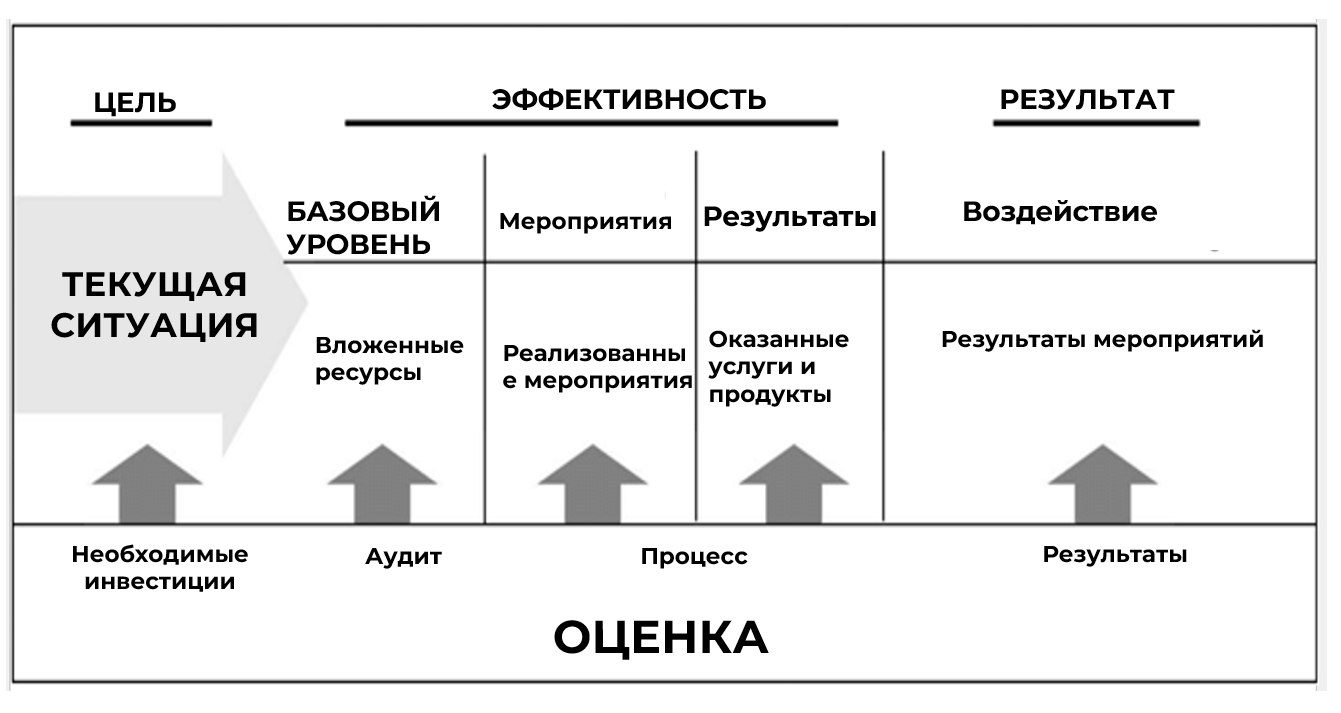
Evaluation — not just checking instructions.
The approach looks at the whole logic of a policy — from resources and activities to results and impact — to judge how far measures served strategic goals and created public value. It is different from monitoring the execution of orders or financial audit.
Government decisions can be data-driven
KPIs can be measurable
Social infrastructure can be managed through GIS
Citizens can take part in monitoring
Digitalisation can reduce corruption risks