When infrastructure becomes a question of dignity.
Clean water, a safe toilet and somewhere to wash your hands seem obvious. For many schools in Uzbekistan they weren't — and the state couldn't even see where the gaps were.
The state couldn't see the real picture.
Water and sewerage data were collected only as district averages. Nobody could tell which mahallas, schools or villages truly needed investment.
Without safe water, toilets and handwashing, children face risks such as hepatitis A and helminth infections — which affect attendance, concentration and learning. Sanitation was treated not only as engineering, but as an investment in human capital.
Four directions at once.
A digital infrastructure register
Water, sewerage and road data collected in 11,000 mahallas — for the first time with GIS mapping, mapathons and crowdsourcing.
The first school sanitation inventory
A digital inventory of the sanitary condition of every state school — an objective national picture.
Autonomous sanitation pilots
International practice studied; Soakaway and Dry Pit piloted where central sewerage is impossible or uneconomic.
Policy proposals
Proposals on water supply, school sanitation, drinking-water quality and wastewater treatment.
From data to a funded programme.
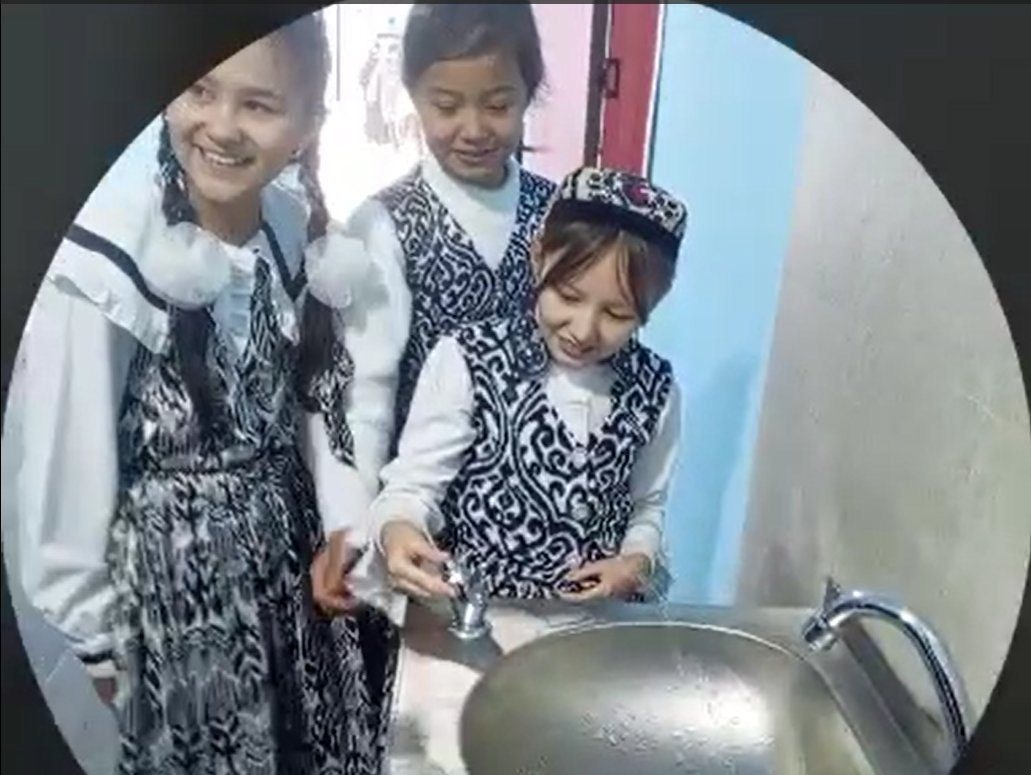
- Clean Hands programme adopted (Cabinet Resolution No. 297, 6 May 2025) — sanitation and hygiene in all schools, clinics and kindergartens, funded from the budget
- With the Ministry of Economy and Finance — 100 bn UZS every year to reconstruct school toilets
- Data on 30,000+ infrastructure objects in 11,000 mahallas, and a digital sanitation database for every state school
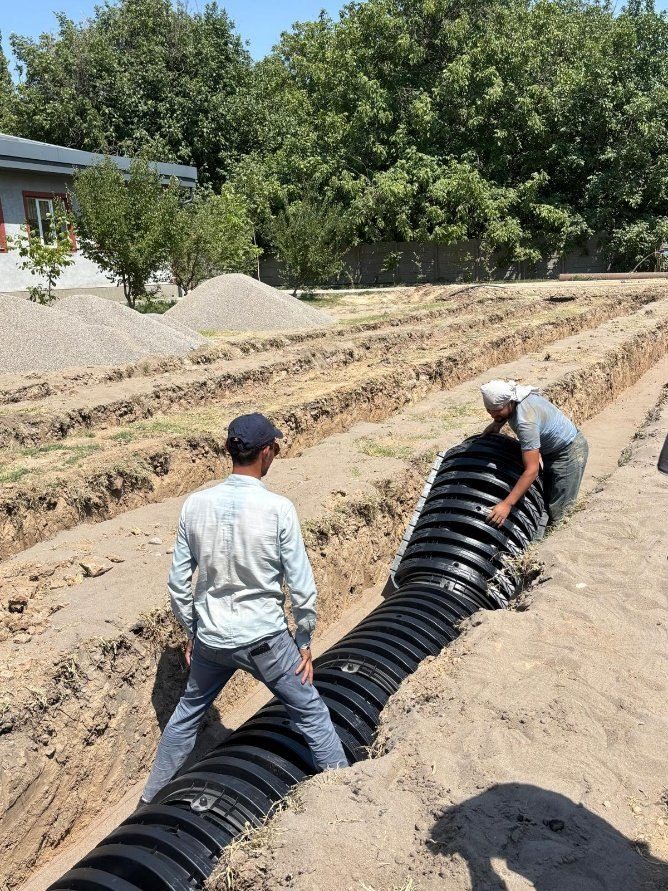
- Soakaway autonomous sewerage piloted in three regions; about 2,000 rural pupils with safe indoor toilets
- Hygiene banners and national materials printed for schools; the “Schools of the Future” concept launched
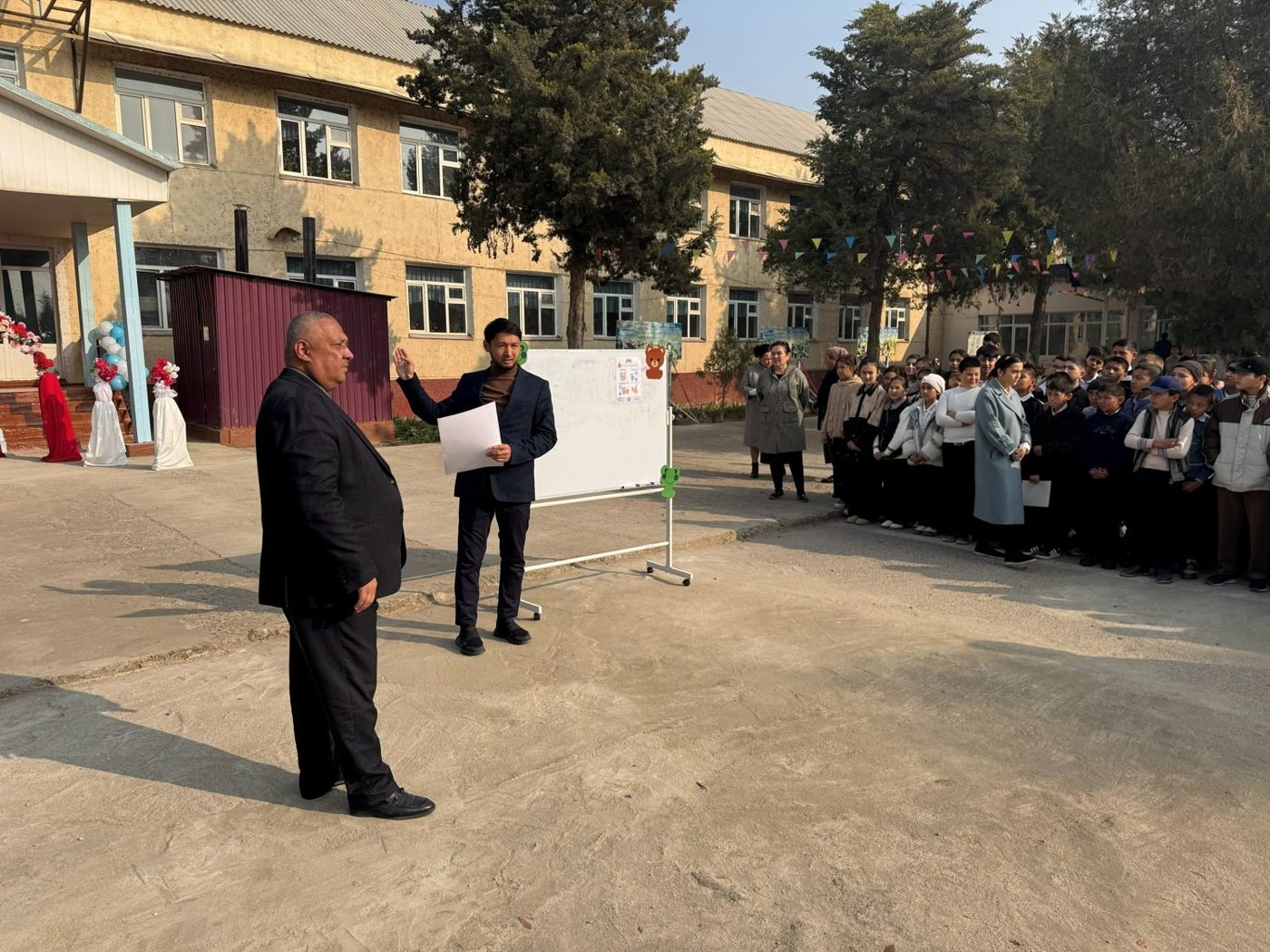
No single solution fits the whole country.
An autonomous system that needs no power and no pumps.
A septic tank with an infiltration field that works naturally — without electricity, pumps or costly maintenance. Tested in three schools with different climate and geology, it proved safe and much cheaper than building central networks.
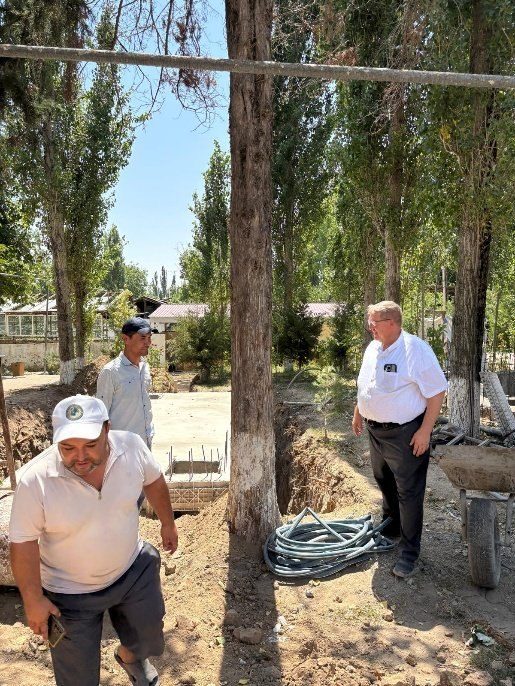
Sanitation, water and hygiene — guaranteed in the budget.
Built on Geoportal data and approved by the Cabinet of Ministers, the programme for the first time joins sanitation, clean water and hygiene in schools, kindergartens and clinics into one package with guaranteed budget funding — plus posters and learning materials that build lasting hygiene habits.
It shows lasting change comes from combining infrastructure investment, interagency work, constant monitoring and good habits in children.
Designing with the people who'll learn there.
Using design thinking, the child became the centre of school design. Children, parents, teachers, architects, education specialists and officials discussed classrooms, toilets, water, yards, sports grounds, routes, accessibility for pupils with disabilities and places to rest.
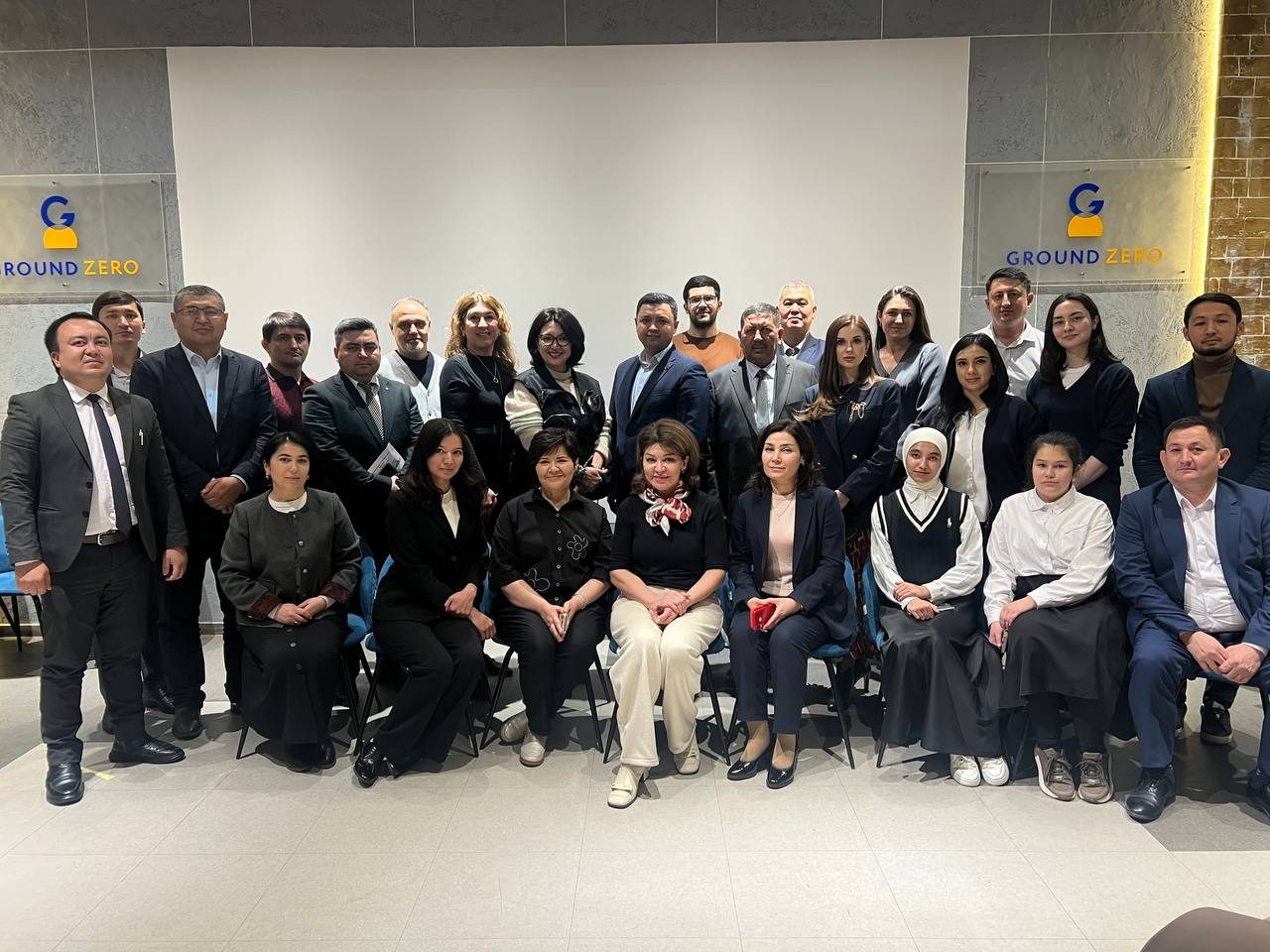
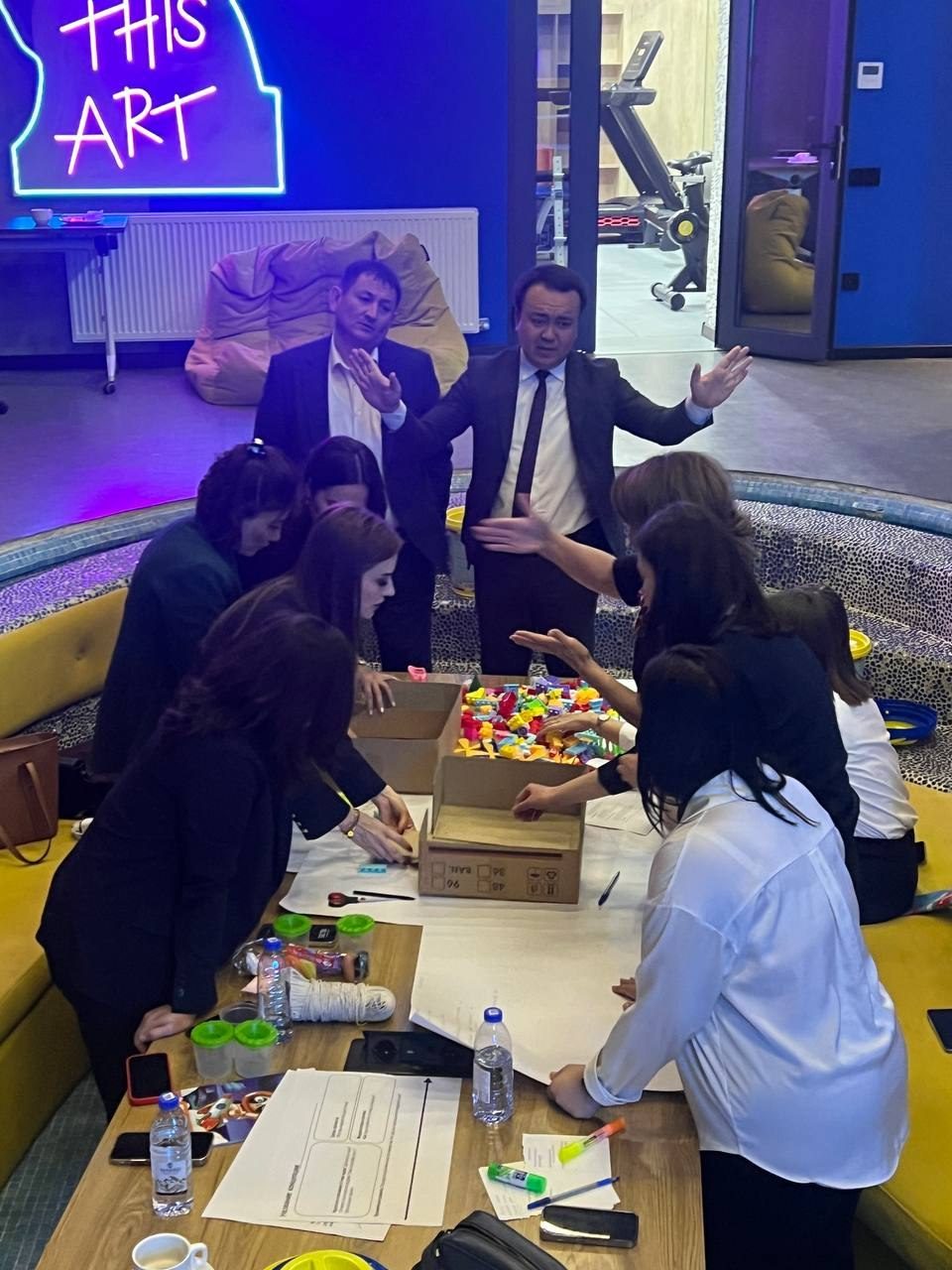
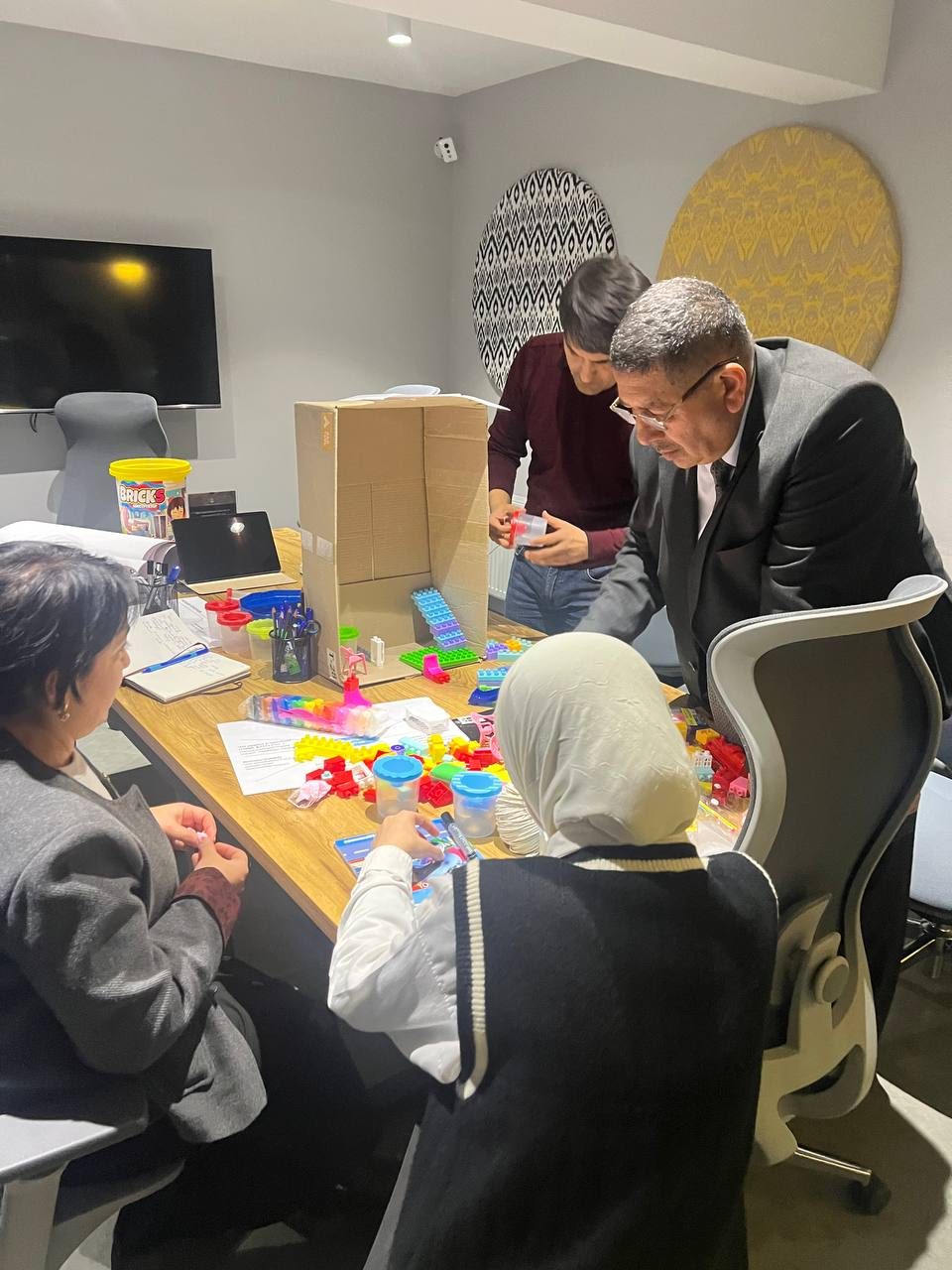
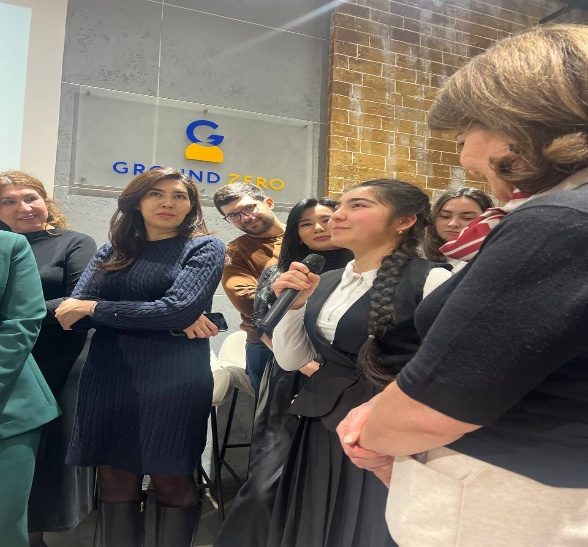
New standards combine Geoportal data, the digital inventory and proposals from design sessions — moving from standard building designs to schools that fit real communities.
The press made sanitation a national conversation.
Leading outlets supported the topic pro bono — no budget spent. Kun.uz published “87% of schools in Uzbekistan have no sewerage — Delivery Unit”, and Gazeta.uz ran the column “Where does human dignity begin?”.
Small solutions that change everyday life.
Infrastructure is also about habits: respect for water, hygiene and public conversation about health. The first public drinking fountain in Tashkent's Central Park showed safe drinking water can be offered in public spaces too.